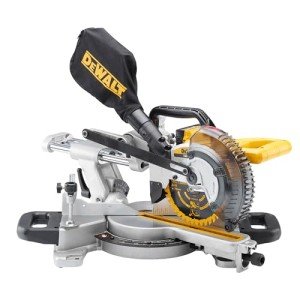
Understanding Compound Mitre Saws: A Comprehensive Guide
Compound mitre saws are vital tools worldwide of woodworking and building and construction, offering precision and adaptability that make them an essential for experts and DIY lovers alike. This detailed guide explores the intricacies of compound mitre saws, exploring their functions, types, and applications, in addition to providing ideas for safe and efficient usage.
What is a Compound Mitre Saw?
A compound mitre saw is a customized power tool designed to make precise cuts at different angles. Unlike a standard mitre saw, which can just cut at a fixed angle, a compound mitre saw can tilt the blade to make bevel cuts, enabling more complex and precise joinery. This capability is especially beneficial for tasks such as cutting crown molding, image frames, and other elaborate woodworking jobs.
Key Features of a Compound Mitre Saw
- Mitre Adjustment: The saw can rotate left and right to cut at different mitre angles.
- Bevel Adjustment: The saw can tilt to cut at different bevel angles.
- Laser Guide: Many designs feature a laser guide to make sure accurate cuts.
- Dust Collection System: Helps in keeping a tidy workplace.
- Adjustable Fence: Provides support for the workpiece and guarantees precise cuts.
- Blade Size: Common sizes include 10-inch and 12-inch blades, with bigger blades using more cutting capacity.
Types of Compound Mitre Saws
1. Single-Bevel Compound Mitre Saw
A single-bevel compound mitre saw can tilt the blade in one instructions, either to the left or right. This type of saw is ideal for most basic woodworking tasks and is usually more budget friendly.
2. Dual-Bevel Compound Mitre Saw
A dual-bevel compound mitre saw can tilt the blade in both instructions, offering greater flexibility and benefit. This kind of saw is perfect for more complex projects and is typically chosen by experts.
3. Sliding Compound Mitre Saw
A sliding compound mitre saw integrates the functions of a compound mitre saw with a sliding mechanism, allowing the blade to move on and backwards. This function increases the cutting capacity, making it much easier to deal with larger workpieces.
Applications of Compound Mitre Saws
Compound mitre saws are versatile tools that can be used for a large range of applications, consisting of:
- Crown Molding: Cutting elaborate angles for crown molding is among the most common uses of a compound mitre saw.
- Photo Frames: Precision cuts are important for creating photo frames with perfect corners.
- Furnishings Making: From table legs to chair backs, compound mitre saws can handle various joinery tasks.
- Deck Building: Cutting deck boards and railings at exact angles ensures an expert finish.
- Trim Work: Installing baseboards, door cases, and other trim needs precise cuts, which a compound mitre saw can supply.
How to Use a Compound Mitre Saw
Utilizing a compound mitre saw effectively requires a mutual understanding of its features and appropriate method. Here are some steps to follow:
1. Establish the Saw
- Level the Saw: Ensure the saw is on a stable, level surface area.
- Change the Fence: Position the fence to support the workpiece and guarantee it is perpendicular to the blade.
- Set the Blade Depth: Adjust the blade depth so that it only extends slightly beyond the density of the workpiece.
2. Measure and Mark the Workpiece
- Step Accurately: Use a tape step and a square to mark the cut line on the workpiece.
- Align the Mark with the Blade: Position the workpiece so that the cut line aligns with the blade or laser guide.
3. Make it
- Protect the Workpiece: Use clamps or the integrated fence to hold the workpiece securely in place.
- Set the Mitre and Bevel Angles: Adjust the mitre and bevel angles as required for the cut.
- Lower the Blade: Slowly lower the blade into the workpiece, applying steady pressure.
- Total the Cut: Continue to apply steady pressure until the cut is complete, then lift the blade and turn off the saw.
4. Tidy up
- Get Rid Of the Cut Piece: Carefully remove the cut piece from the saw.
- Clear the Debris: Use the dust collection system or a brush to eliminate sawdust and particles.
Security Tips
Utilizing a compound mitre saw safely is vital to avoid mishaps and injuries. Here are some essential security suggestions:
- Wear Personal Protective Equipment (PPE): Use safety glasses, hearing protection, and a dust mask.
- Keep the Work Area Clean: Ensure the workspace is without mess and loose objects.
- Use the Blade Guard: Always keep the blade guard in location and use it properly.
- Maintain the Saw: Regularly inspect and keep the saw to guarantee it remains in great working condition.
- Follow Manufacturer's Instructions: Read and follow the maker's user manual and safety standards.
Frequently asked questions
1. What is the distinction between a single-bevel and a dual-bevel compound mitre saw?
A single-bevel compound mitre saw can tilt the blade in one direction, while a dual-bevel compound mitre saw can tilt the blade in both directions, providing greater flexibility and benefit.
2. Can a compound mitre saw cut metal?
While some compound mitre saws can cut metal with the right blade, they are primarily created for cutting wood. For cutting metal, a devoted metal-cutting saw is recommended.
3. How do I select the ideal blade for my compound mitre saw?
Pick a blade based on the product you are cutting and the type of cut you require. For fine cuts, utilize a blade with more teeth. For rough cuts, use a blade with less teeth.
4. How do I keep my compound mitre saw?
Routine upkeep includes cleaning the saw, lubing moving parts, checking the blade for wear, and guaranteeing the blade guard is in good condition. Refer to the producer's manual for specific upkeep instructions.
5. Can a compound mitre saw cut large pieces of wood?
A sliding compound mitre saw is better matched for cutting big pieces of wood due to its extended cutting capacity. However, for best deals on sliding mitre saws , a table saw or a circular saw might be better suited.
Compound mitre saws are powerful and versatile tools that can considerably improve the precision and quality of your woodworking tasks. Whether simply click the following article are a professional carpenter or a DIY lover, understanding the features, types, and appropriate usage of a compound mitre saw is necessary for attaining the very best outcomes. By following the guidelines and security pointers outlined in this guide, you can make the many of your compound mitre saw and enjoy a fulfilling woodworking experience.